Not every real estate trend makes headlines.
While media attention often focuses on record-breaking penthouses in global capitals and celebrity-filled neighborhoods, experienced investors are looking elsewhere. They are searching for markets that haven't yet reached their peak—places where infrastructure, economic growth, and lifestyle demand are quietly creating long-term value.
In 2026, some of the most strategic real estate purchases are happening away from the spotlight.
The Shift Away From Traditional Hotspots
For years, cities like London, New York, Dubai, and Singapore attracted the majority of global real estate investment. While these markets remain attractive, rising prices have pushed many investors to seek opportunities with greater upside potential.
Today's buyers are asking different questions:
Where is new infrastructure being developed?
Which regions are attracting talent and businesses?
Where can lifestyle and investment returns coexist?
Which markets are still undervalued relative to their future potential?
The answers are leading investors toward emerging luxury destinations and secondary cities with strong growth fundamentals.
Waterfront Communities Continue to Attract Capital
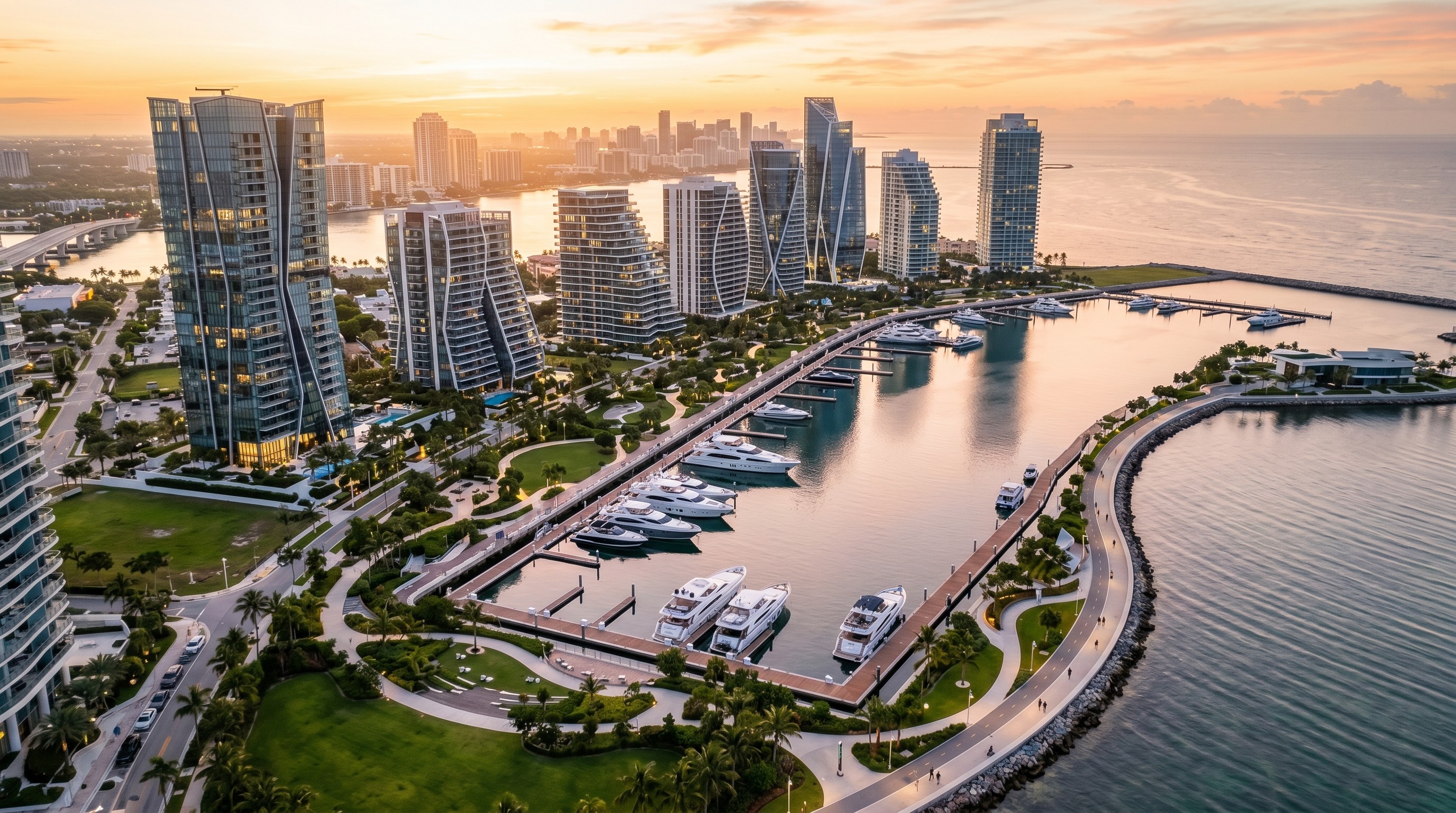
Waterfront properties remain among the most resilient real estate assets globally. However, investors are increasingly targeting lesser-known coastal markets rather than established luxury destinations.
These areas often offer:
Lower entry prices
Limited future supply
Strong tourism growth
Increasing demand for short-term rentals
Long-term lifestyle appeal
As remote work and international mobility continue to reshape living preferences, buyers are placing greater value on quality of life, access to nature, and year-round livability.
Secondary Cities Are Becoming Primary Opportunities
Many investors are discovering that some of the strongest opportunities exist just outside major metropolitan centers.
These cities benefit from:
Growing populations
Expanding transportation networks
Lower operating costs for businesses
Increasing demand from professionals and families
As companies embrace flexible work models, people are no longer forced to live in the most expensive urban cores. This shift is creating new demand in previously overlooked markets.
Lifestyle Is Becoming a Financial Indicator
A decade ago, investment decisions were largely driven by economic metrics alone.
Today, lifestyle factors play a much larger role.
Walkability, wellness amenities, green spaces, cultural attractions, and proximity to nature have become important indicators of long-term property performance.
Markets that successfully combine strong infrastructure with exceptional quality of life are attracting both residents and investors, creating sustainable demand that supports long-term appreciation.
The Rise of Branded and Serviced Residences
Another area attracting quiet capital is branded residential developments and professionally managed serviced residences.
These properties appeal to buyers who value:
Consistent property management
Premium amenities
Enhanced security
Strong rental potential
Global brand recognition
As international buyers seek convenience and flexibility, demand for these property types continues to grow.
What Sophisticated Buyers Are Watching
The most successful investors rarely chase headlines. Instead, they monitor indicators that signal future growth:
Major infrastructure investments
New transportation links
Corporate relocation activity
Population growth trends
Tourism expansion
Government-backed development initiatives
By the time a market becomes widely recognized, much of the early value creation has already occurred.
Looking Ahead
The quietest money in 2026 isn't necessarily buying in the most talked-about locations. It's moving toward markets with strong fundamentals, improving infrastructure, and growing demand.
For buyers focused on long-term value creation, the opportunity often lies not in following the crowd, but in identifying tomorrow's prime destinations before everyone else does.
In real estate, the most rewarding investments are often made before the headlines arrive.

