Built for Better Living
Slatehaus was founded on a simple belief: an exceptional property deserves an exceptional introduction. We do not list; we present.


Some destinations become fashionable. Others become permanent.
Nestled between Nice and Monaco on the French Riviera, Saint-Jean-Cap-Ferrat belongs firmly to the latter category. For more than a century, this small Mediterranean peninsula has attracted royalty, industrialists, entrepreneurs, and global tastemakers seeking something increasingly rare: privacy in one of the world's most desirable locations.
While neighboring destinations often command attention through glamour and visibility, Cap-Ferrat has built its reputation through discretion.
It remains one of the most exclusive residential addresses in the world.
A Peninsula Defined by Privacy
Unlike many luxury destinations, Cap-Ferrat has resisted large-scale development.
Its winding roads, protected landscapes, and low-density planning have preserved the character that first attracted affluent residents in the late nineteenth century.
The result is a residential environment where grand villas are hidden behind mature gardens, gated entrances, and centuries-old trees.
For buyers who value privacy as much as prestige, few locations offer a comparable balance.
The Enduring Appeal of the Riviera
The French Riviera has long been synonymous with exceptional living.
What distinguishes Cap-Ferrat, however, is its ability to provide direct access to the region's cultural, social, and economic opportunities while maintaining a sense of seclusion.
Residents are within easy reach of:
Monaco's financial and business community
Nice International Airport
Michelin-starred dining
World-class marinas
Renowned beach clubs
Prestigious cultural events
Yet despite this connectivity, life on the peninsula often feels remarkably tranquil.
Architecture Shaped by Legacy
Many of Cap-Ferrat's most notable residences were designed during periods when craftsmanship and permanence defined luxury architecture.
Historic estates sit alongside contemporary masterpieces, creating a diverse yet harmonious architectural landscape.
Common features include:
Panoramic sea views
Private waterfront access
Extensive landscaped grounds
Guest residences
Wellness facilities
Yacht moorings
Properties here are rarely purchased solely for their physical attributes. They are often viewed as legacy assets intended to be held for generations.
Scarcity Creates Value
One of the defining characteristics of the Cap-Ferrat market is limited supply.
Strict planning regulations and geographical constraints mean opportunities to acquire property are exceptionally rare.
Unlike emerging luxury markets where new inventory can be added relatively quickly, Cap-Ferrat's residential stock remains inherently finite.
This scarcity has helped preserve long-term demand and contributes to the area's enduring appeal among international buyers.
A Lifestyle Built Around the Sea
The Mediterranean shapes nearly every aspect of life on the peninsula.
Morning walks along coastal paths, afternoons spent aboard private yachts, and evenings overlooking the water are part of the everyday experience.
The pace is relaxed without feeling disconnected, sophisticated without being performative.
It is a lifestyle that prioritizes quality, simplicity, and access to nature.
Why Global Buyers Continue to Choose Cap-Ferrat
The motivations vary, but several themes consistently emerge among buyers:
Exceptional privacy
Limited property supply
Global prestige
Mediterranean lifestyle
Strong long-term desirability
Multigenerational ownership potential
For many, ownership here represents more than a real estate investment. It is an investment in continuity, heritage, and place.
Looking Beyond the Headlines
Luxury real estate markets often cycle through periods of intense attention.
Cap-Ferrat operates differently.
Its appeal has never depended on trends, speculation, or publicity. Instead, it has been built over decades through rarity, reputation, and an unwavering commitment to preserving what makes it special.
As a result, the peninsula continues to attract buyers who prioritize long-term value over short-term excitement.
Final Thoughts
There are luxury destinations that capture attention, and there are destinations that quietly define it.
Cap-Ferrat belongs to the latter.
Its combination of privacy, natural beauty, architectural heritage, and enduring scarcity has secured its place among the world's most coveted residential enclaves.
For those seeking a property that offers both exceptional lifestyle and lasting significance, few locations remain as compelling as Cap-Ferrat.

In an age of fast construction and rapidly changing design trends, a different movement is quietly reshaping luxury real estate.
Across some of the world's most desirable residences, architects and developers are returning to materials that age gracefully, tell a story, and improve with time. Natural stone, solid timber, hand-finished metals, and artisanal craftsmanship are once again becoming defining features of exceptional homes.
This shift is known by many designers as the return of slow materials.
What Are Slow Materials?
Slow materials are not defined by how they are manufactured, but by how they endure.
They are materials chosen for longevity, authenticity, and character rather than speed, convenience, or short-term aesthetics.
Examples include:
Natural stone
Solid hardwood
Handcrafted ceramics
Bronze and brass finishes
Lime plaster walls
Natural textiles
Custom millwork
Unlike mass-produced alternatives, these materials often develop richer textures and visual depth as they age.
Why Luxury Buyers Are Embracing Them
Today's high-end buyers are increasingly looking beyond surface-level design trends.
They want homes that feel authentic, durable, and connected to craftsmanship.
Slow materials offer something many contemporary finishes cannot: permanence.
Rather than appearing worn over time, quality natural materials often gain character through everyday use. A stone floor develops subtle patina. Brass acquires warmth. Timber deepens in tone and texture.
These changes create homes that feel more personal and distinctive with each passing year.
A Response to Disposable Design
For decades, many developments prioritized speed and efficiency above all else.
While this approach accelerated construction timelines, it often resulted in interiors filled with materials that aged poorly or required frequent replacement.
The growing popularity of slow materials reflects a broader desire for quality over quantity.
Buyers are increasingly drawn to residences that are designed to last—not just structurally, but aesthetically as well.
This philosophy aligns closely with the principles of timeless luxury.
The Role of Craftsmanship
Materials alone do not create exceptional spaces.
The craftsmanship behind them matters just as much.
Hand-carved stone, bespoke woodwork, custom metal detailing, and artisanal finishes bring a level of individuality that cannot be replicated through mass production.
As luxury real estate becomes increasingly competitive, these handcrafted elements help distinguish one property from another.
The result is a residence that feels unique rather than interchangeable.
Sustainability Through Longevity
Sustainability is often discussed in terms of energy efficiency and environmental performance, but durability is equally important.
Materials that remain beautiful and functional for decades reduce the need for frequent renovations and replacements.
This longer lifecycle can significantly reduce waste while preserving the integrity of a home.
For many buyers, investing in lasting quality is becoming an important part of sustainable living.
Why Developers Are Paying Attention
Leading developers are recognizing that buyers are becoming more discerning.
Rather than focusing solely on amenities and square footage, purchasers are paying closer attention to the details that define everyday living.
The texture of a stone countertop, the feel of handcrafted cabinetry, or the warmth of natural timber can have a greater impact on perceived quality than many high-tech features.
As a result, slow materials are increasingly being incorporated into premium residential developments around the world.
Designing for Decades, Not Seasons
The most admired homes often share one characteristic: they feel as relevant twenty years later as they did on the day they were completed.
This enduring appeal is rarely achieved through trends alone.
It comes from thoughtful design choices, honest materials, and a commitment to craftsmanship that prioritizes longevity over novelty.
Slow materials support this vision by creating spaces that mature gracefully rather than becoming outdated.
Looking Ahead
As luxury real estate continues to evolve, the demand for authenticity, durability, and timeless design is only expected to grow.
The return of slow materials reflects a broader shift in how buyers define value—not by what is newest, but by what will endure.
In a world increasingly driven by speed, the most desirable homes may be those built with patience, craftsmanship, and materials designed to last for generations.

For generations, the world's wealthiest investors have shared a common strategy: own real estate in cities that matter globally.
These locations—often called gateway cities—serve as international centers for finance, business, culture, education, and innovation. They attract talent, capital, and opportunity from around the world, creating a level of demand that often remains resilient through changing market cycles.
For investors seeking long-term stability and diversification, a gateway-city portfolio can provide a strong foundation for preserving and growing wealth.
What Is a Gateway City?
A gateway city is more than a large metropolitan area.
It is a city with global influence—one that attracts international businesses, investors, tourists, students, and high-net-worth individuals. These cities typically benefit from strong infrastructure, transparent property markets, political stability, and deep economic activity.
Examples include major financial and commercial hubs that consistently draw investment from across the globe.
Because demand comes from both local and international buyers, gateway cities often maintain liquidity even during periods of economic uncertainty.
Why Investors Build Global Portfolios
Concentrating investments in a single city or country can expose investors to local economic shifts, regulatory changes, or market slowdowns.
A globally diversified real estate portfolio helps reduce this concentration risk by spreading investments across multiple regions and economies.
Benefits may include:
Geographic diversification
Currency diversification
Access to different growth cycles
Greater portfolio resilience
Exposure to international demand drivers
Rather than relying on one market to perform, investors can benefit from opportunities across multiple regions.
The Core Markets Approach
Many sophisticated investors structure their portfolios around a selection of core gateway cities.
These locations are typically chosen because they offer:
Strong legal and regulatory frameworks
Consistent international demand
High-quality infrastructure
Established luxury residential markets
Long-term wealth preservation potential
The goal is not necessarily rapid appreciation, but dependable long-term value supported by global demand.
Balancing Stability and Growth
A successful gateway-city portfolio often combines mature markets with emerging opportunities.
Established cities can provide stability and liquidity, while fast-growing international hubs may offer stronger appreciation potential.
This balance allows investors to pursue growth without sacrificing the security that comes from owning assets in globally recognized locations.
The exact mix will vary depending on investment goals, time horizon, and risk tolerance.
Understanding Currency Exposure
One advantage of international real estate ownership is exposure to multiple currencies.
For globally mobile investors, this can serve as an additional layer of diversification. Currency movements may influence returns over time, creating opportunities as well as risks.
When evaluating international property, investors often consider both asset performance and the broader economic outlook of the market in which the property is located.
Property Types Within a Global Portfolio
Not all assets within a gateway-city portfolio serve the same purpose.
Investors may allocate capital across several categories, including:
Luxury residences
Waterfront properties
Branded residences
Serviced apartments
Mixed-use developments
Income-generating rental assets
Each asset type can contribute differently to income generation, capital appreciation, and portfolio stability.
What Makes a City Attractive Today?
While traditional indicators such as economic output remain important, today's investors are evaluating a broader set of factors.
Key considerations include:
Talent attraction
Innovation ecosystems
Infrastructure investment
Connectivity to global markets
Quality of life
Political and economic stability
Cities that successfully attract both businesses and residents often create stronger long-term demand for residential real estate.
Building for the Long Term
The strongest global property portfolios are rarely built around short-term trends.
Instead, they focus on cities with enduring relevance—places that continue to attract investment, talent, and opportunity regardless of changing market conditions.
By combining strategic diversification with ownership in globally significant locations, investors can create portfolios designed to preserve wealth, generate income, and participate in long-term urban growth.
Final Thoughts
Global gateway-city investing is not simply about owning property in famous locations. It is about understanding how capital moves, where demand is strongest, and which cities are positioned to remain influential for decades to come.
For investors seeking both resilience and opportunity, a thoughtfully constructed gateway-city portfolio remains one of the most effective approaches to long-term real estate ownership.
Not every real estate trend makes headlines.
While media attention often focuses on record-breaking penthouses in global capitals and celebrity-filled neighborhoods, experienced investors are looking elsewhere. They are searching for markets that haven't yet reached their peak—places where infrastructure, economic growth, and lifestyle demand are quietly creating long-term value.
In 2026, some of the most strategic real estate purchases are happening away from the spotlight.
The Shift Away From Traditional Hotspots
For years, cities like London, New York, Dubai, and Singapore attracted the majority of global real estate investment. While these markets remain attractive, rising prices have pushed many investors to seek opportunities with greater upside potential.
Today's buyers are asking different questions:
Where is new infrastructure being developed?
Which regions are attracting talent and businesses?
Where can lifestyle and investment returns coexist?
Which markets are still undervalued relative to their future potential?
The answers are leading investors toward emerging luxury destinations and secondary cities with strong growth fundamentals.
Waterfront Communities Continue to Attract Capital
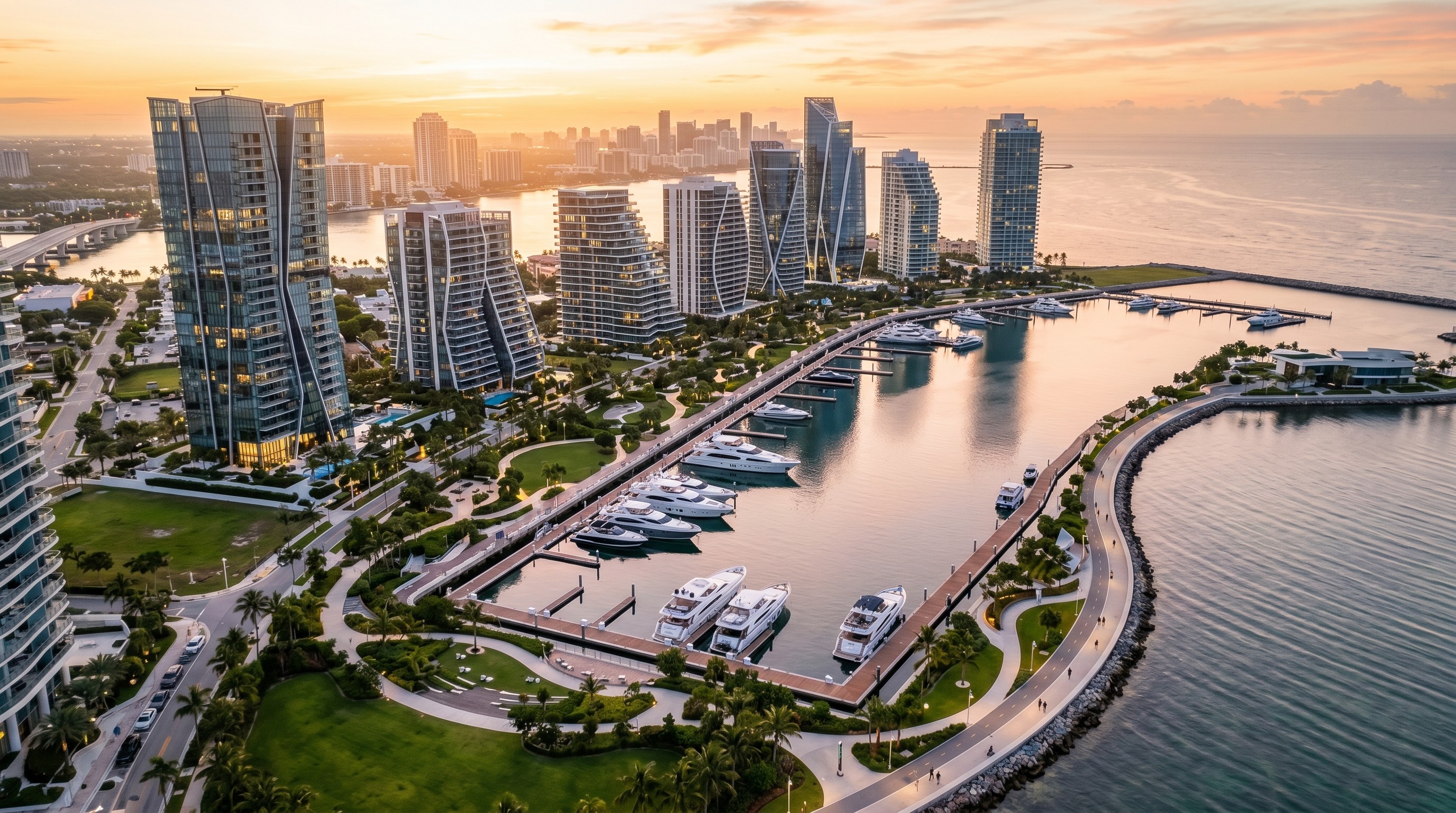
Waterfront properties remain among the most resilient real estate assets globally. However, investors are increasingly targeting lesser-known coastal markets rather than established luxury destinations.
These areas often offer:
Lower entry prices
Limited future supply
Strong tourism growth
Increasing demand for short-term rentals
Long-term lifestyle appeal
As remote work and international mobility continue to reshape living preferences, buyers are placing greater value on quality of life, access to nature, and year-round livability.
Secondary Cities Are Becoming Primary Opportunities
Many investors are discovering that some of the strongest opportunities exist just outside major metropolitan centers.
These cities benefit from:
Growing populations
Expanding transportation networks
Lower operating costs for businesses
Increasing demand from professionals and families
As companies embrace flexible work models, people are no longer forced to live in the most expensive urban cores. This shift is creating new demand in previously overlooked markets.
Lifestyle Is Becoming a Financial Indicator
A decade ago, investment decisions were largely driven by economic metrics alone.
Today, lifestyle factors play a much larger role.
Walkability, wellness amenities, green spaces, cultural attractions, and proximity to nature have become important indicators of long-term property performance.
Markets that successfully combine strong infrastructure with exceptional quality of life are attracting both residents and investors, creating sustainable demand that supports long-term appreciation.
The Rise of Branded and Serviced Residences
Another area attracting quiet capital is branded residential developments and professionally managed serviced residences.
These properties appeal to buyers who value:
Consistent property management
Premium amenities
Enhanced security
Strong rental potential
Global brand recognition
As international buyers seek convenience and flexibility, demand for these property types continues to grow.
What Sophisticated Buyers Are Watching
The most successful investors rarely chase headlines. Instead, they monitor indicators that signal future growth:
Major infrastructure investments
New transportation links
Corporate relocation activity
Population growth trends
Tourism expansion
Government-backed development initiatives
By the time a market becomes widely recognized, much of the early value creation has already occurred.
Looking Ahead
The quietest money in 2026 isn't necessarily buying in the most talked-about locations. It's moving toward markets with strong fundamentals, improving infrastructure, and growing demand.
For buyers focused on long-term value creation, the opportunity often lies not in following the crowd, but in identifying tomorrow's prime destinations before everyone else does.
In real estate, the most rewarding investments are often made before the headlines arrive.